At a glance
- Palamós prawns are the red prawns caught by the Palamós trawler fleet at depths of more than 400 metres. Those that pass the inspection at the auction hall carry the Gamba de Palamós quality mark.
- At Catalan auction halls, small and medium red prawns sold for about €40 a kilo in 2024. Large ones can reach €100, and at Christmas, prices peak at more than €200.
- You can buy them on Monday to Friday afternoons at the fish market in the auction hall, and eat them at certified restaurants. The big dates are the Menú de la Gamba (late May to mid-June), when those restaurants serve prawn menus, and the Fira de la Gamba prawn festival (a Saturday in June).
- Fresh prawns are available all year round except during the closed seasons: in 2026, January and the first half of February, and October.
- Camping King's is about 3 km from the port. The mobile homes have a kitchen, and the glamping tents have a barbecue.
What are Palamós prawns?
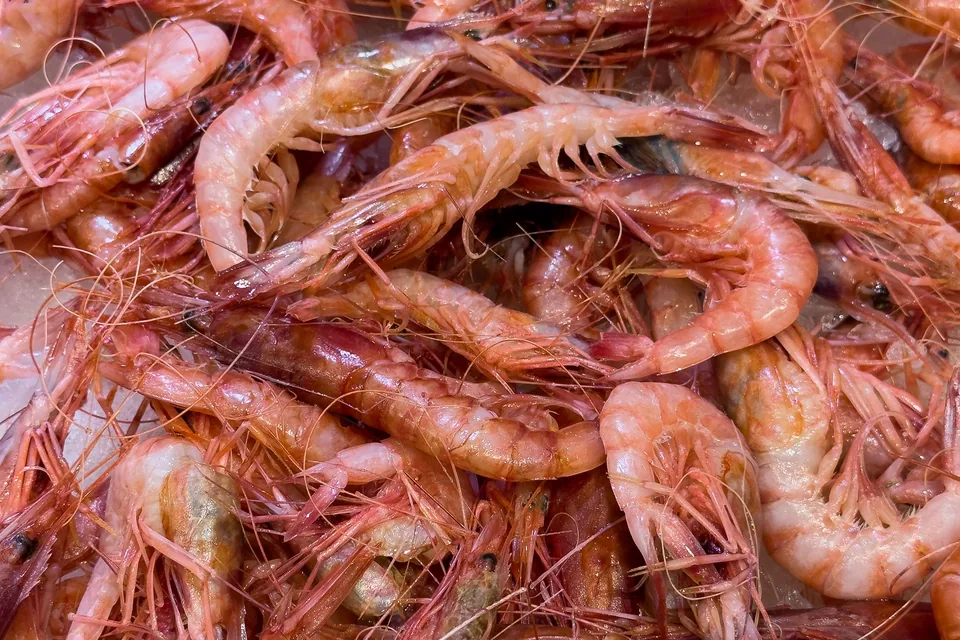
Palamós prawns (gamba de Palamós) are the red prawns caught off the coast of Palamós. The species is Aristeus antennatus, a deep red prawn with firm, delicate flesh. They’re usually between 10 and 18 cm long, and the biggest are over 20 cm. The Palamós fleet trawls for them at depths of more than 400 metres, mainly around the Palamós submarine canyon, which the fishermen call the rec de La Fonera.
The same species is landed at other Mediterranean ports, such as Blanes, Vilanova i la Geltrú, Dénia and Garrucha. What makes the Palamós prawn different is the way it’s managed: a fishing plan driven by the fishermen in 2013, and a quality mark under which the prawns are checked every day before the auction.
The Gamba de Palamós quality mark
For more than fifteen years, Palamós Town Council and the Confraria de Pescadors de Palamós, the fishermen’s guild, have been behind the Gamba de Palamós quality mark. Every day, before the auction, the prawns that come into port are checked: which fishing ground they come from, their appearance and texture, how many there are to the kilo and the temperature they arrive at. Only those that meet the regulations get the label.
The mark can be used by the guild’s boats that sell at the Palamós auction hall, and also by fishmongers, distributors, seafood processors and restaurants, all of them externally audited. If you want the real thing, look for the label at the fishmonger’s and, at restaurants, the sign that shows they’re certified. The guild lists who holds the mark on its website.
How Palamós prawns are caught: trawling and a pioneering plan
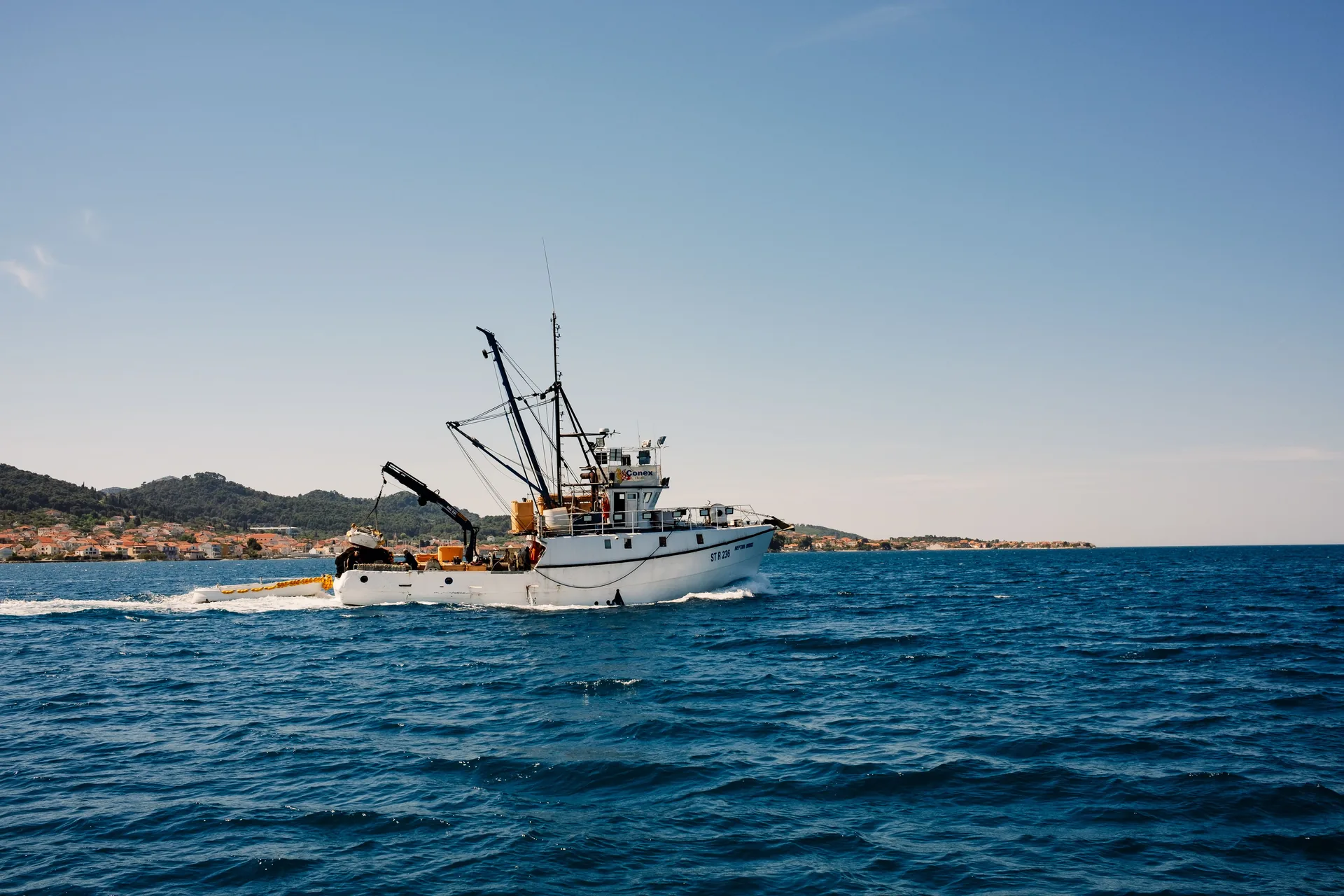
According to the guild, Palamós has 19 trawlers. They fish during the day and unload their crates on the quay in the afternoon. At 16:00, the auction of the trawlers’ catch gets under way in the auction hall.
The prawn management plan, in place since 2013
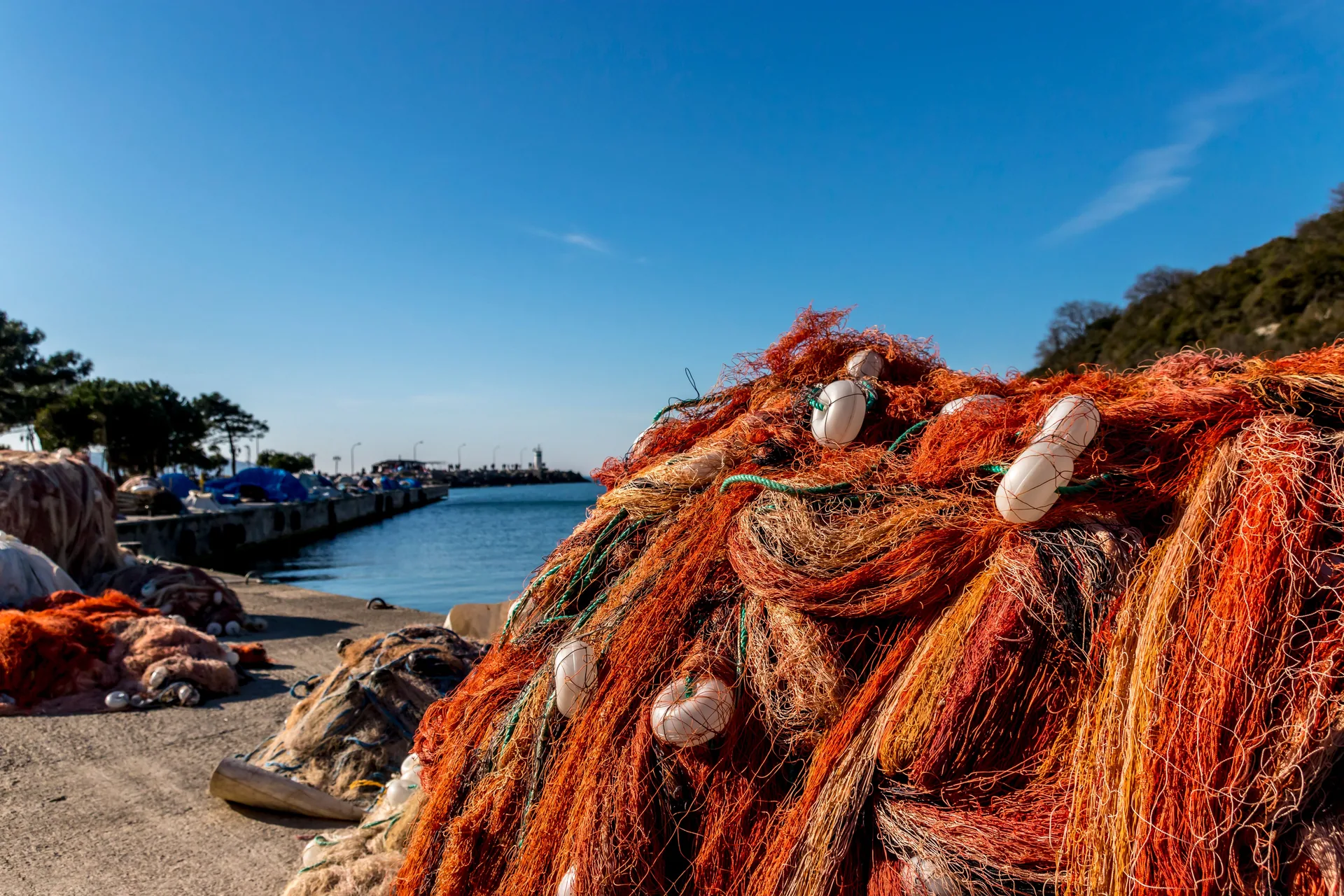
For decades, the fleet kept adding boats and engine power, and in the late 1990s it became clear that the prawns were running out. In 2013, the Palamós prawn management plan was approved, designed by the fishermen themselves together with scientists and the authorities. It was the first co-management plan for a trawl fishery in the western Mediterranean.
In 2018 it was renewed by a Spanish ministerial order, Orden APM/532/2018 (in Spanish), which set out, among other things:
- Seven named fishing grounds: El Rostoll, El Candelero, Sant Sebastià, Abisínia, Els Clots, Gamba de Llevant and La Malica. In five of them, only the 16 boats on the plan’s list were allowed to fish.
- Nets with a 45 mm square mesh, so that small prawns can escape.
- A maximum of eleven hours a day out of port and five fishing days a week.
- 60 days of closed season a year, with the boats tied up in port.
In 2025, the prawn fleet joined the MSC improvement programme, with a two-and-a-half-year plan to earn the MSC label, the international seal for sustainable fishing. If it succeeds, it will be the first trawl fishery in the Mediterranean to carry it.
Palamós prawn season: when you’ll find them and when you won’t
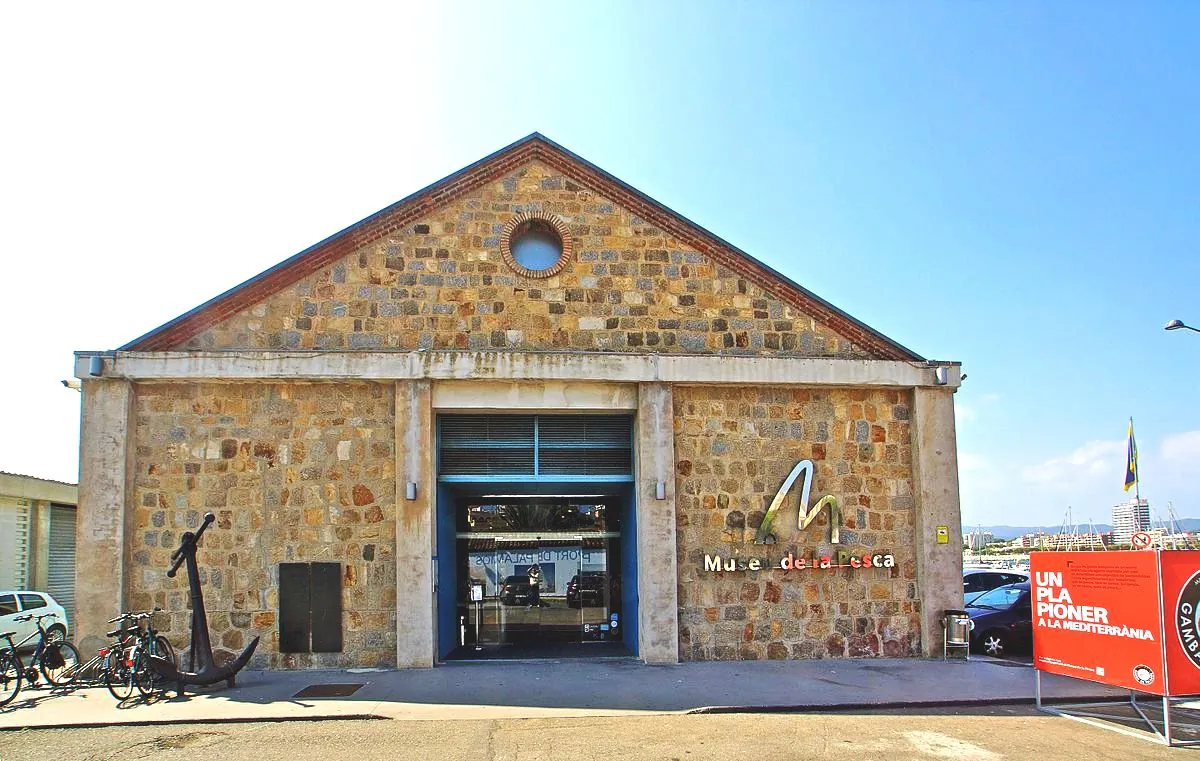
Fresh Palamós prawns are available almost all year round. The only gaps are the closed seasons, when the trawler fleet stays in port so that the seabed and the prawns can recover. The guild publishes its calendar every year. In 2026, the first ran from 2 January to 15 February, and a second was scheduled from 30 September to 1 November.
| Time of year | What happens |
|---|---|
| January and February | Closed season: the trawlers stay in port. In 2026, from 2 January to 15 February. |
| February to May | Fresh prawns are back at the auction hall. |
| Late May and June | Menú de la Gamba at the certified restaurants (25 May to 14 June) and Fira de la Gamba at the port (Saturday 13 June). |
| Summer | There are usually more prawns, and bigger ones. |
| October | Second closed season. In 2026, from 30 September to 1 November. |
| December | Prices rise ahead of Christmas meals. |
If you’re coming on holiday between spring and September, you’ll find them at the fish market and on restaurant menus. The liveliest weeks are in late May and June, with the Menú and the Fira de la Gamba.
The price of Palamós prawns: how much a kilo costs
The price of Palamós prawns depends mainly on size. At the auction hall they’re graded by how many it takes to make a kilo: the fewer there are, the bigger the prawns and the higher the price. The time of year matters too, because prices go up when prawns are scarce and at Christmas. And it depends where you buy them: at the fish market, at a fishmonger’s or served in a restaurant.
| Prawns | Price per kilo |
|---|---|
| Small and medium | About €40 on average in 2024 (€25 in 2012) |
| Large | Up to €100 |
| Large, at Christmas | Peaks of over €200 |
The average for small and medium prawns comes from the first-sale records of Catalan auction halls: it rose from about €25 a kilo in 2012 to about €40 in 2024, and some years, such as 2021, were more expensive. At fishmongers and in restaurants they cost more than at the auction hall. In 2024, red prawns accounted for almost 18% of all sales at Catalonia’s auction halls.
Where to buy Palamós prawns and how to watch the auction
The fish market at the auction hall
At the fishing port, the fish market at the auction hall sells the catch from the guild’s boats to the public. It opens on Monday to Friday afternoons, from 16:30 to 19:30 according to the guild’s website (the tourist office gives 16:00 to 20:00). It’s the most direct way to buy prawns landed that day. They’re also sold by fishmongers certified under the quality mark, which appear on the guild’s list.
The market doesn’t open during the closed seasons or when bad weather keeps the boats in port. Before you go, check the guild’s website for that day’s auction notice.
The fish auction and the Fishing Museum
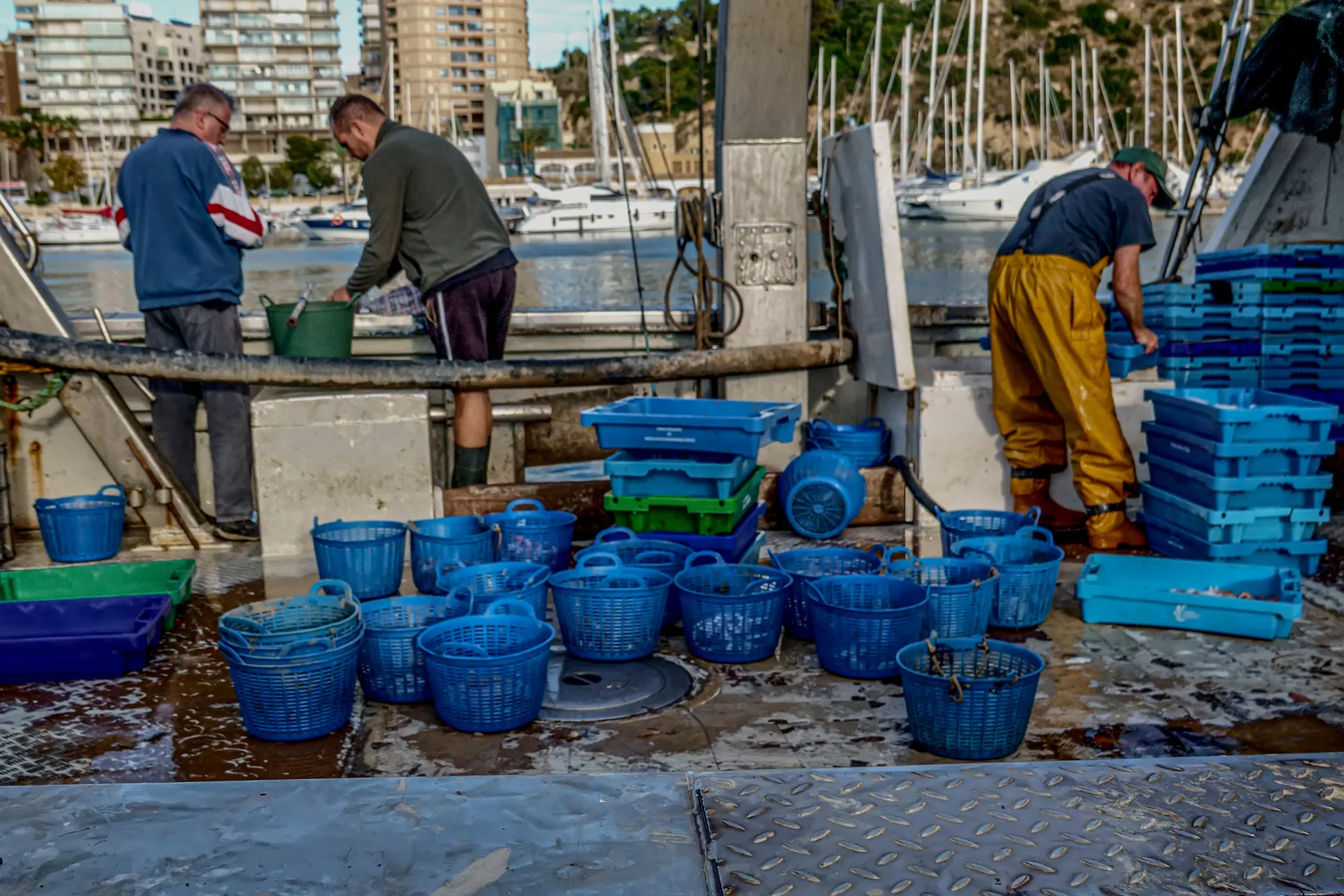
You can watch the fish auction. On certain dates, the Fishing Museum, also at the port, runs guided visits from the Espai del Peix, which looks onto the auction floor through a large window. In 2025 they lasted half an hour and cost €3.50. The Espai del Peix also holds cooking workshops and tastings of fish from the auction hall.
The Fishing Museum tells the story of fishing on this coast. From October to April it’s closed on Mondays; in May, June and September it’s open every day; and in July and August, from 10:00 to 14:00 and from 16:00 to 21:00.
Where to eat Palamós prawns
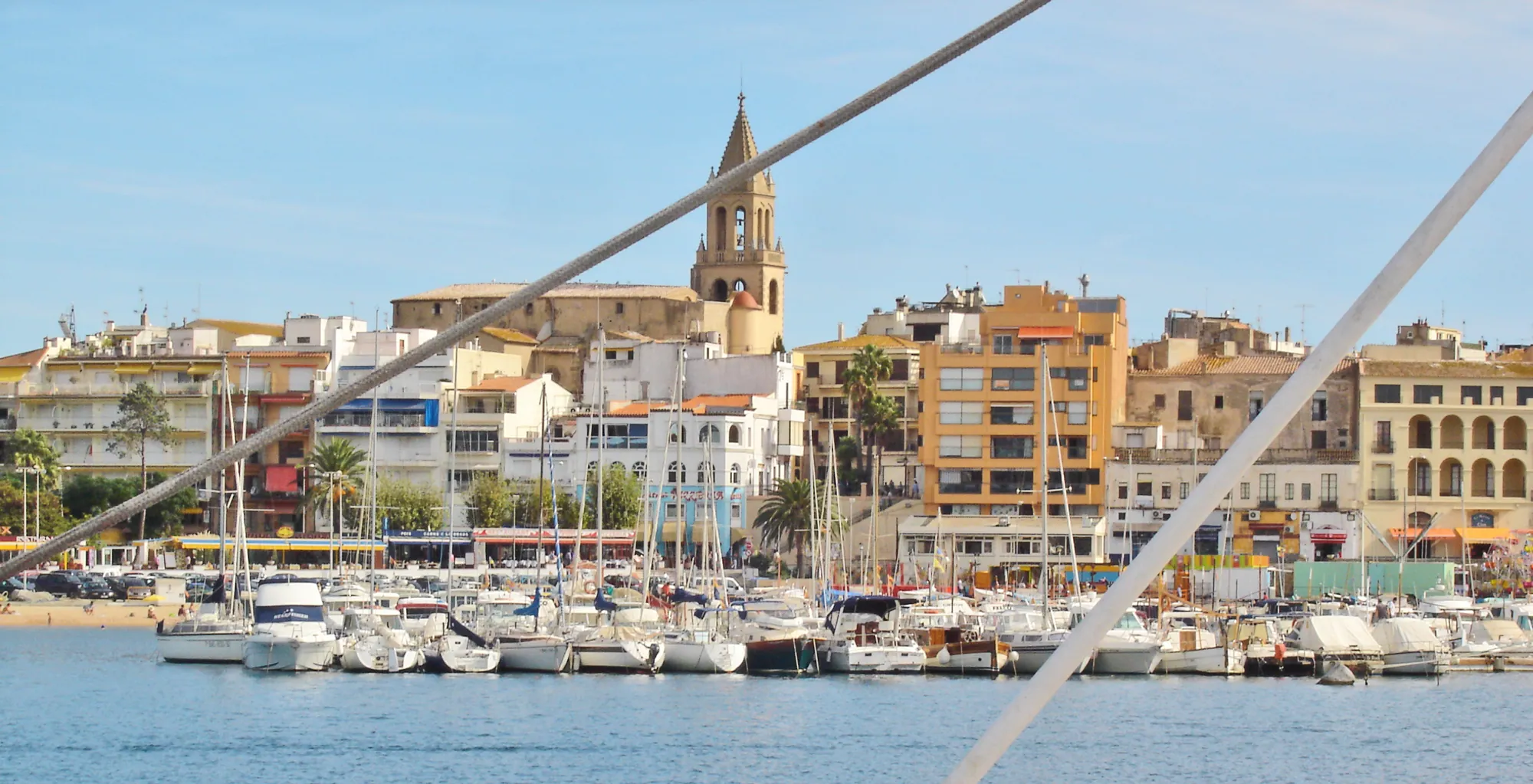
To eat Palamós prawns and know they’re the real thing, go to the restaurants certified under the quality mark, which are listed on the guild’s website. There are plenty of fish restaurants at the port and in the centre of Palamós, but not all of them serve certified prawns.
The Menú de la Gamba, in late May and June
Every year, the Town Council organises the Menú de la Gamba: for a few weeks, the certified restaurants serve set menus that let you try the prawns cooked in different ways. In 2026 it ran from 25 May to 14 June, with eight restaurants taking part. In 2022 and 2023, the menus cost between €45 and €80.
The Fira de la Gamba prawn festival, on a Saturday in June
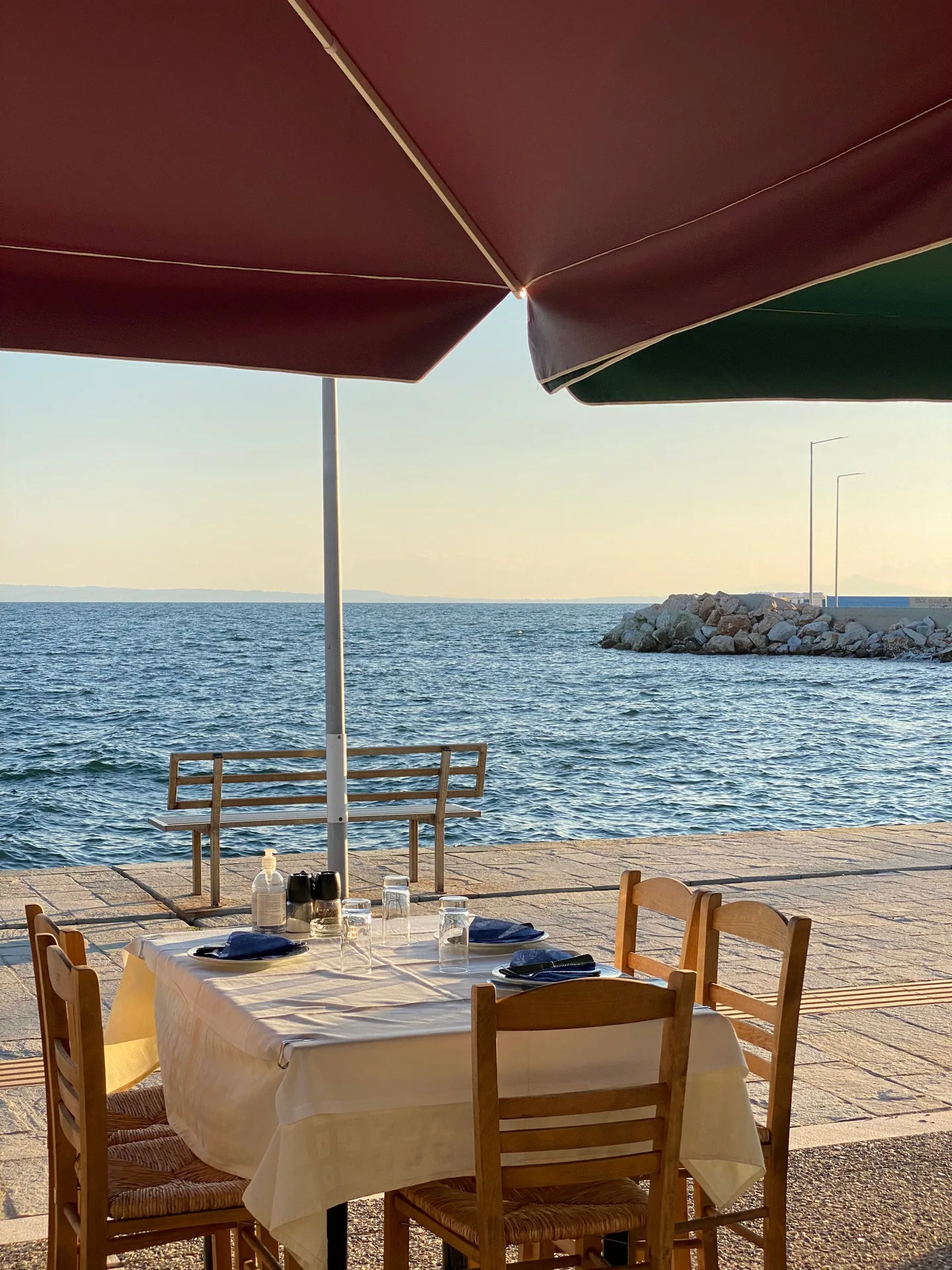
The Palamós prawn festival, the Fira de la Gamba, is held on a Saturday in June at the fishing port, right in the middle of the Menú weeks. There are visits to the auction hall and the boats, cooking demonstrations at the Espai del Peix, tastings prepared by restaurants and bars, and prawns cooked by the fishermen. The fishmongers at the auction hall sell prawns too. At the 2025 festival, on 7 June, 500 kg were sold, twice as much as the year before. In 2026 it was on 13 June, from 12:00 to 22:00.
How to cook Palamós prawns
Prawns like these are ruined if you overcook them. The most common ways of cooking them are also the simplest.
A la plancha or chargrilled, with coarse salt
Get a plancha or frying pan very hot and cover it with a layer of coarse salt. Put the prawns on whole, turn them as soon as they change colour and don’t leave them on much longer. It works the same way on a charcoal grill. You eat them with your hands, and lots of people suck the heads, which is where the juices are.
Raw, as carpaccio
If they were caught that day, red prawns can be eaten raw: peeled, then thinly sliced or left whole, with a little extra virgin olive oil and salt. Prawn carpaccio is a common dish in restaurants in the area. If you’re going to eat them raw, it’s best if they’re very fresh and from a source you trust.
In rice dishes, noodles or suquet
The heads and shells make a very good stock for rice, noodles or suquet, a Catalan fish stew. If you’ve cooked the prawns a la plancha, keep the shells for the next day.
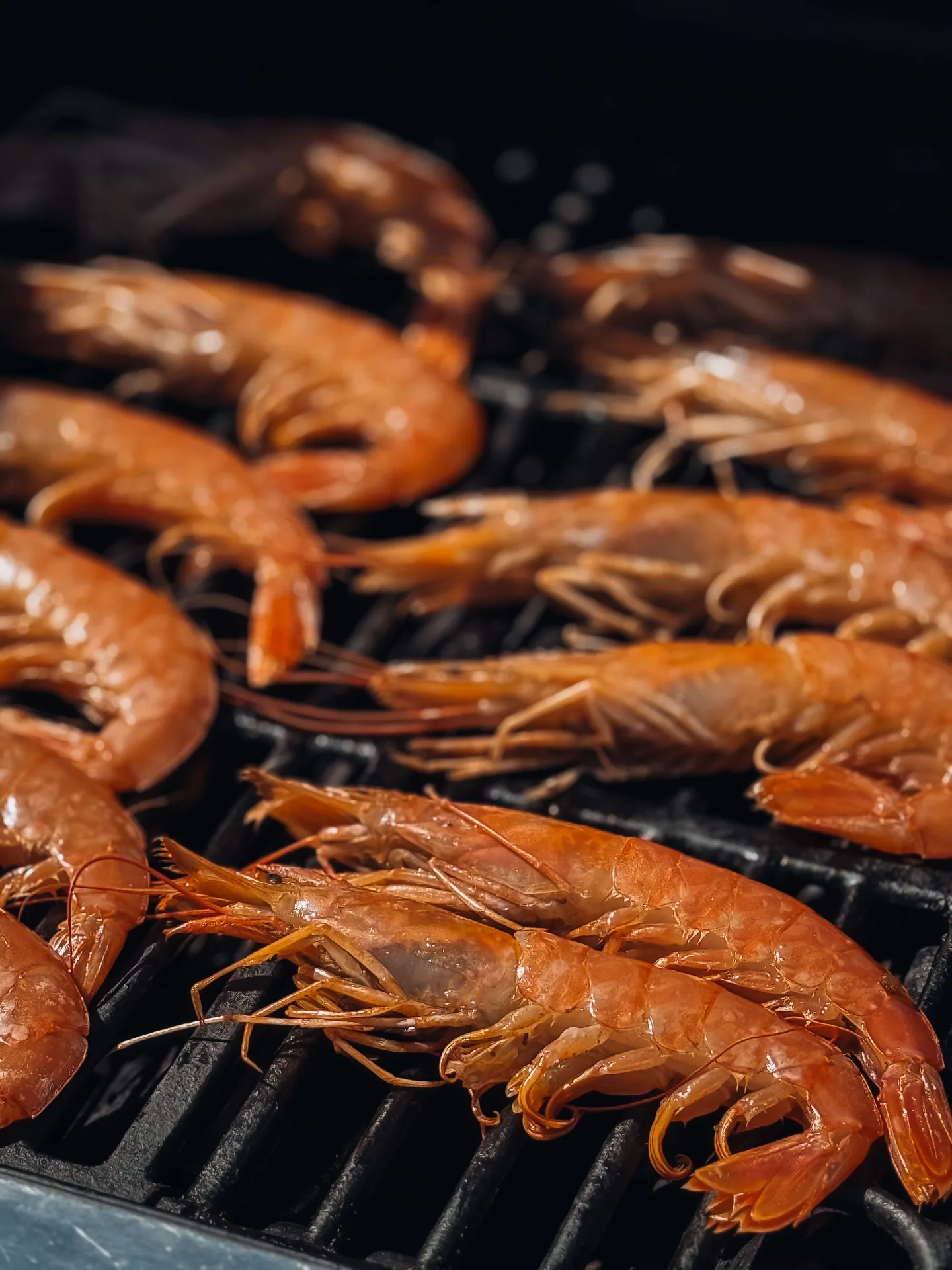
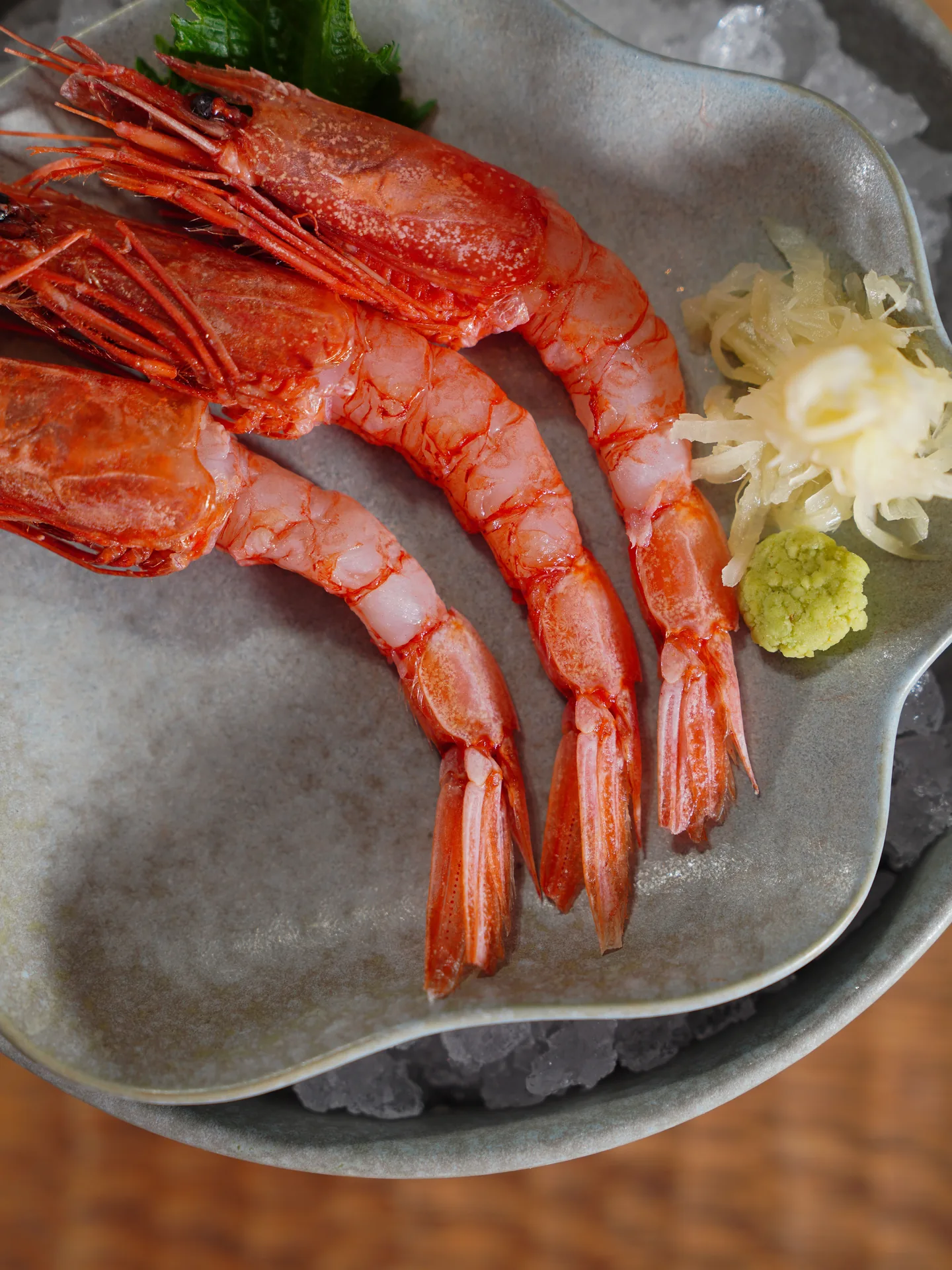
Tip: look for prawns that are shiny, with the head firmly attached to the body and no black spots. Once you get them home, keep them in the fridge and cook them as soon as you can.
Where to stay when you come to Palamós for the prawns
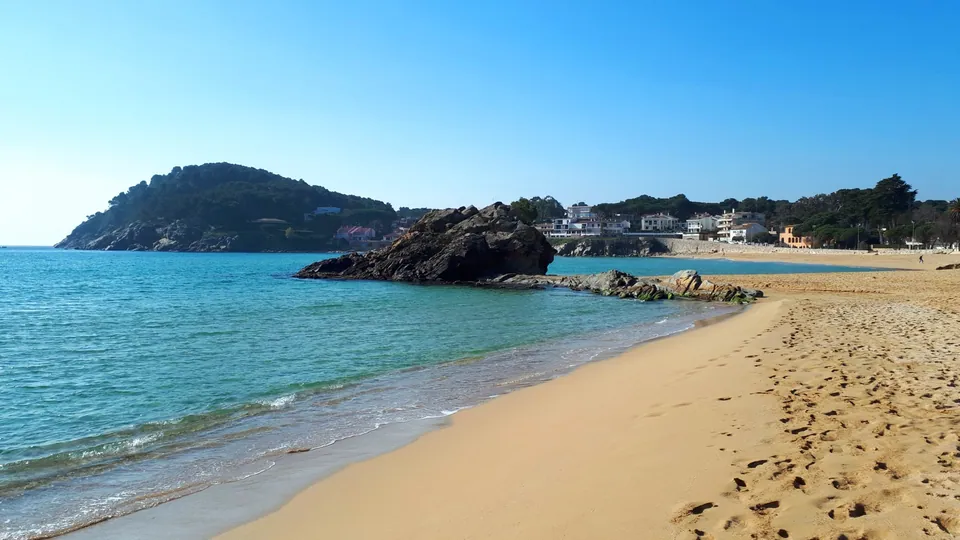
Camping King's is in La Fosca, 200 metres from the beach and about 3 km from the fishing port: 8 minutes by car, 12 by bike or just under 40 on foot. The Sarfa bus stops next to the campsite entrance. In 2027 we’re open from 25 March to 12 September, so the weeks of the Menú and the Fira de la Gamba fall within the season.
If you’re looking for accommodation in Palamós where you can cook the prawns you buy at the fish market, you have several options:
- Mobile homes: they all have a kitchen with a fridge, microwave, crockery, and pots and pans.
- Glamping tents: they all have a kitchen and a barbecue.
- Rural rooms: there’s no kitchen, but they do have air conditioning and a bathroom. They’re a good choice if you’re planning to eat out for every meal.
- Pitches: for your own tent, caravan or motorhome, with electricity.
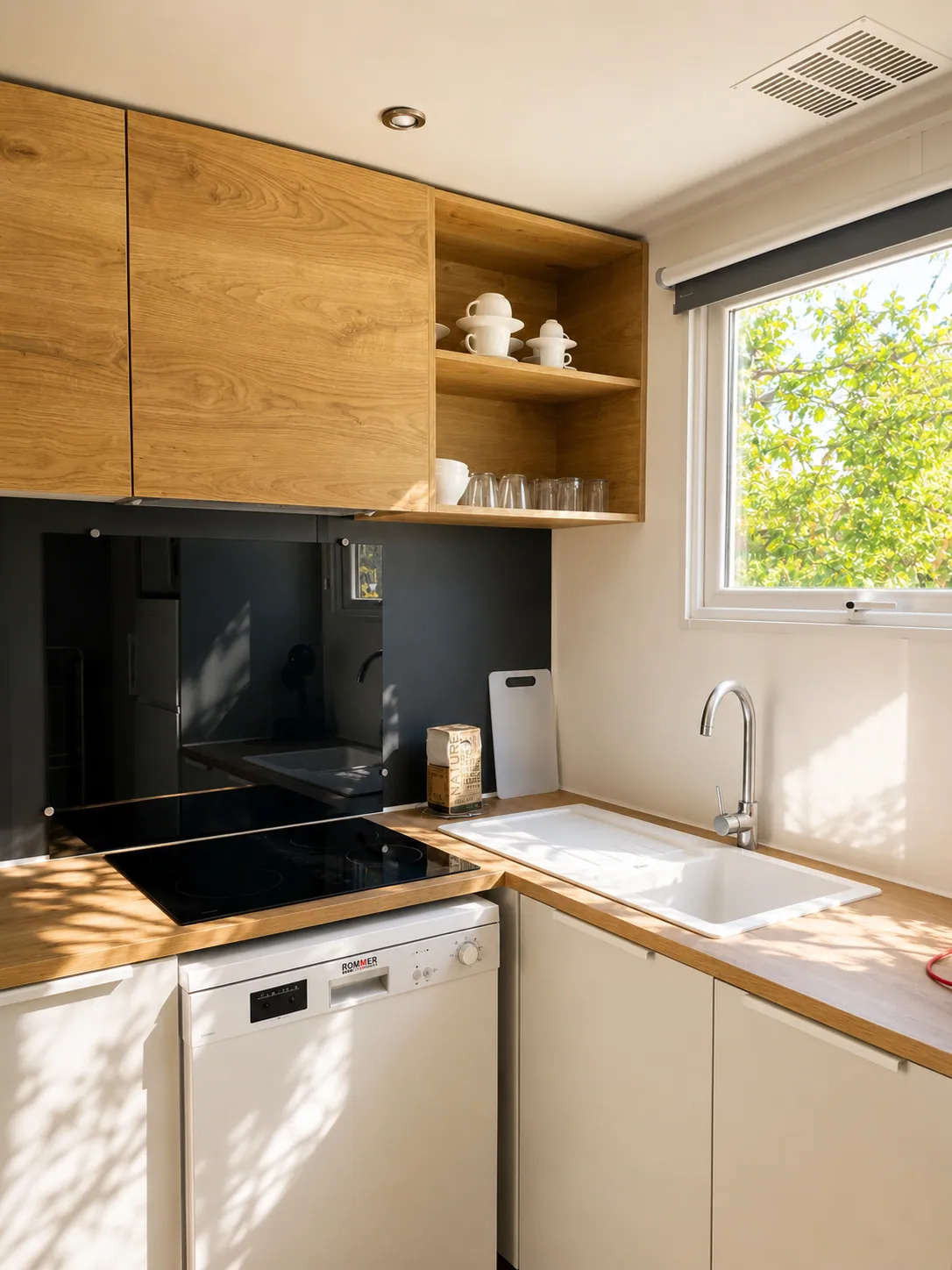

If you’re both over 60, have a look at the Senior Experience offer: a mobile home costs €525 a week from 31 May to 13 June 2027 (€485 from 23 April to 30 May), and a pitch €26 a night until 17 June. It isn’t valid on public holidays or long weekends. These are the weeks when the Menú de la Gamba usually takes place.
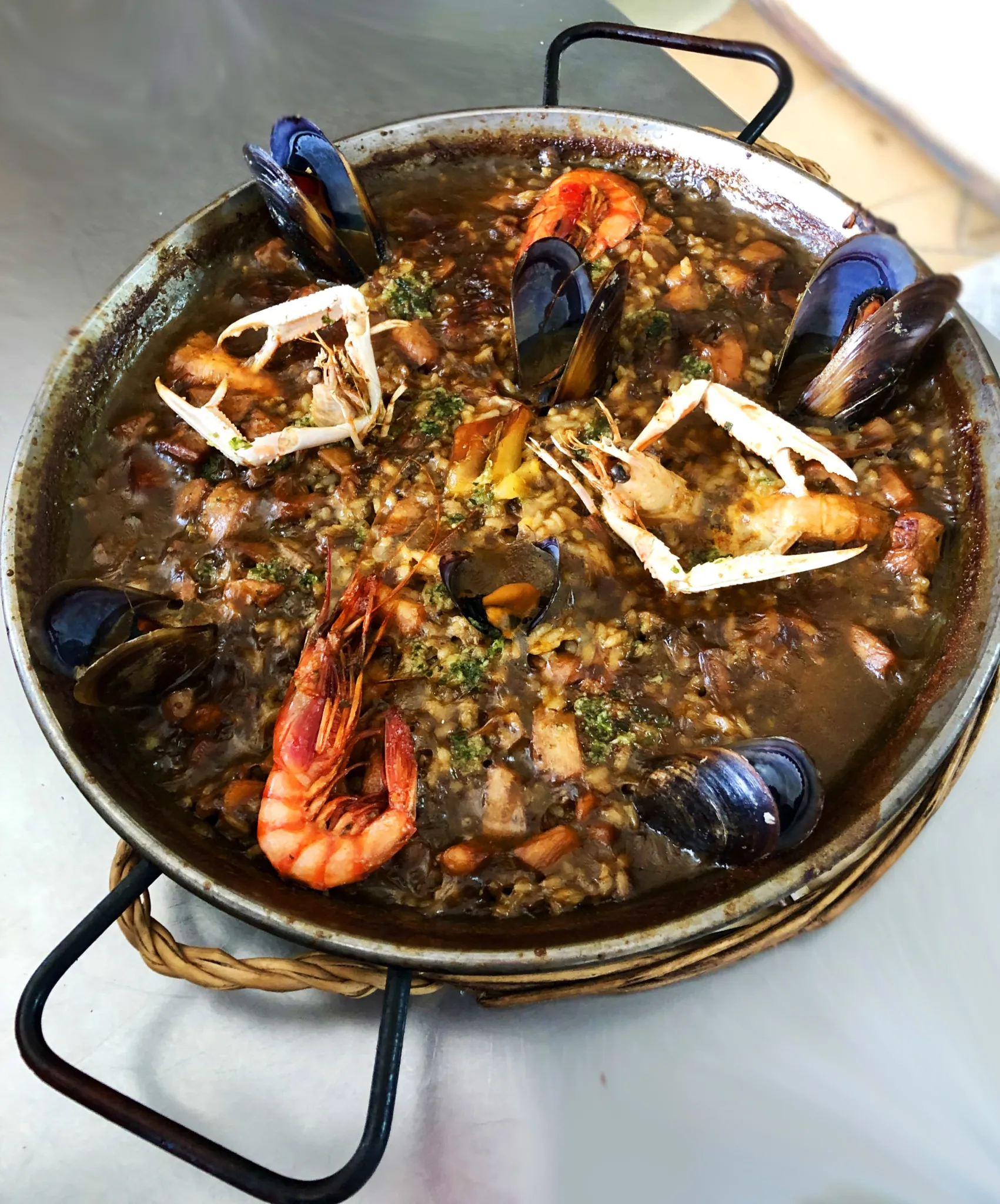
And if you don’t feel like cooking one day, the campsite’s Sidralet restaurant, which is also open to non-residents, serves seafood paella and dishes to take away.
Frequently asked questions about Palamós prawns
What is gamba de Palamós?
It’s the red prawn (Aristeus antennatus) caught by the Palamós trawlers at depths of more than 400 metres, near the Palamós submarine canyon. Only prawns that pass the inspection at the auction hall before the sale carry the Gamba de Palamós quality mark.
How much do Palamós prawns cost per kilo?
It depends on size and the time of year. At Catalan auction halls, small and medium red prawns sold for an average of about €40 a kilo in 2024. Large ones can reach €100, and at Christmas, prices peak at more than €200. At fishmongers and in restaurants they cost more than at the auction hall.
Where can you eat Palamós prawns?
At the restaurants certified under the Gamba de Palamós quality mark. The Confraria de Pescadors de Palamós, the fishermen’s guild, publishes the list on its website. From 25 May to 14 June 2026, eight of them served prawn menus for the Menú de la Gamba.
Where can you buy Palamós prawns?
At the fish market in the auction hall at the fishing port, open on Monday to Friday afternoons (16:30 to 19:30, according to the fishermen’s guild), and at fishmongers certified under the quality mark.
When is the Palamós prawn festival (Fira de la Gamba)?
On a Saturday in June, at the fishing port, during the Menú de la Gamba. In 2025 it was on 7 June, and in 2026 on 13 June, from 12:00 to 22:00. The date for 2027 hasn’t been announced yet.
When are Palamós prawns in season?
Fresh prawns are available almost all year round. The only gaps are the closed seasons, when the trawler fleet stays in port: in 2026, from 2 January to 15 February and from 30 September to 1 November. In summer there are usually more of them, and they’re bigger.
Are Palamós prawns the same as carabineros?
No. The carabinero prawn is a different species (Aristaeopsis edwardsiana). It’s a darker red and a good deal bigger, and can grow to 30 cm. Red prawns are usually between 10 and 18 cm long. Most carabineros are caught in the south of the Iberian Peninsula.
Can you watch the fish auction in Palamós?
Yes. The auction of the trawlers’ catch starts at 16:00, and on certain dates the Fishing Museum runs guided visits from the Espai del Peix, which looks onto the auction floor through a large window. In 2025 they lasted half an hour and cost €3.50.