At a glance
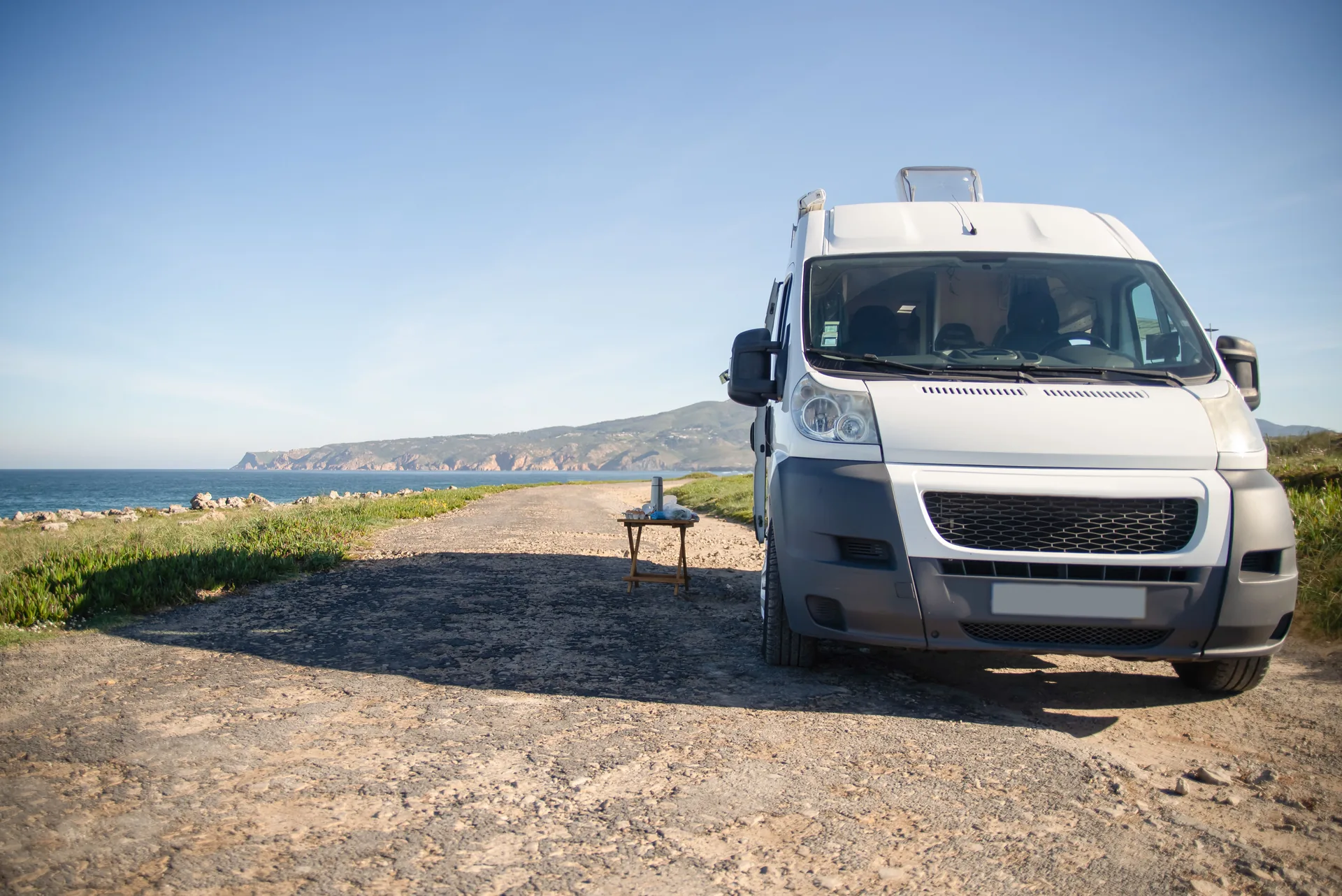
- If you’re touring the Costa Brava by motorhome, you need to know that parking and camping aren’t the same thing: according to the DGT, Spain’s traffic authority, you can sleep inside a properly parked motorhome, but you can’t put anything outside.
- Each town council decides where you can park and for how long. If you want to wind out the awning and have electricity, a shower and a toilet, the safe option is a campsite or a motorhome aire.
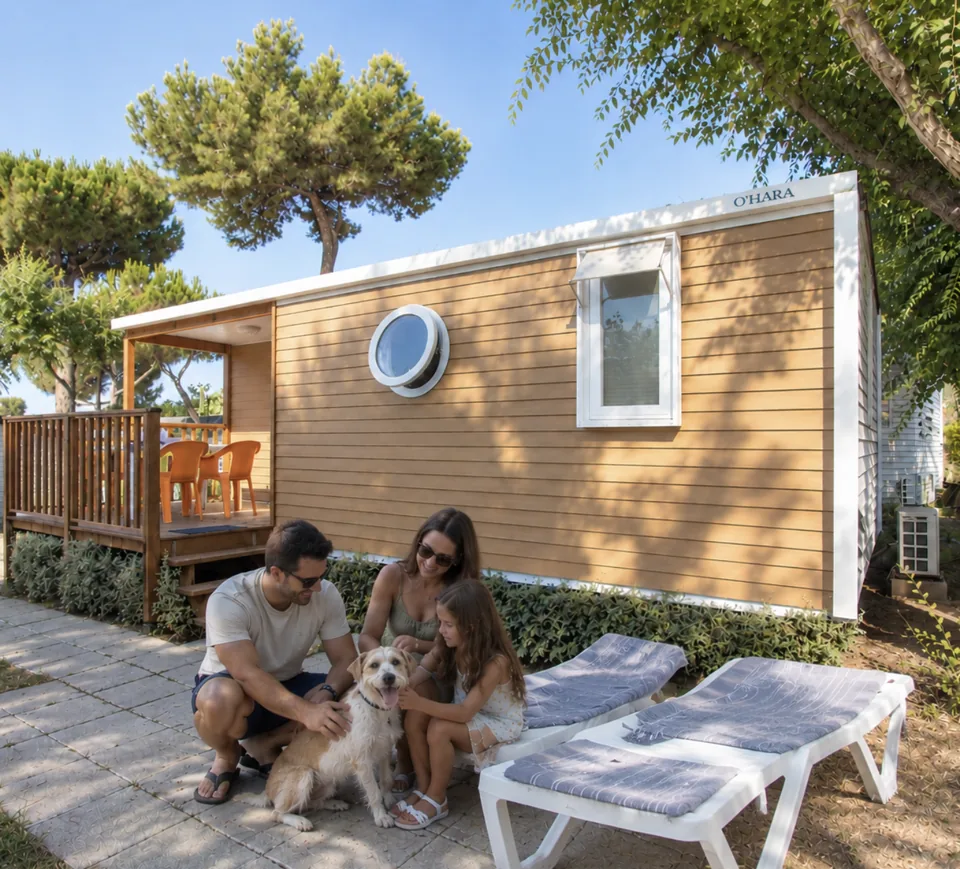
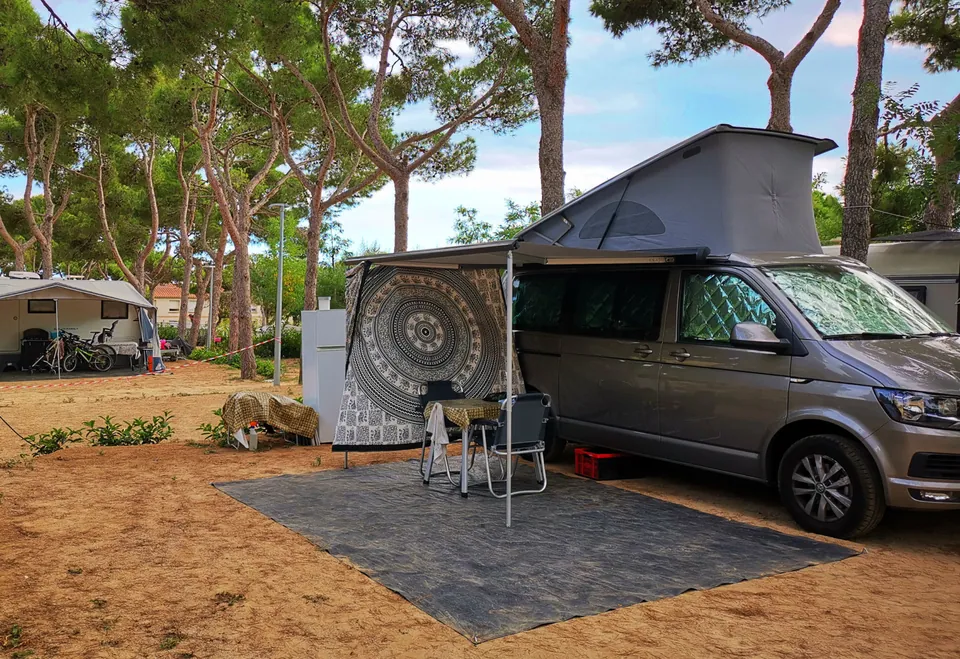
- At Camping King's (La Fosca, Palamós), the motorhome pitch includes a 6 A electricity hook-up and takes up to 6 people and 2 dogs. Most of the pitches are shaded by trees.
- From Palamós, in the Baix Empordà, you can get to Pals (15 km), Empúries (35 km), Figueres (61 km) or Tossa de Mar and back in a day.
- The 2027 season runs from 25 March to 12 September. If you’re over 60, the pitch costs you €26 a night in spring and September.
Where to stay overnight in a motorhome on the Costa Brava
If you’re wondering where to stay overnight in a motorhome on the Costa Brava, the first thing to understand is the difference between parking and camping. The law treats them as two different things, and each has its own rules.
Parking isn’t camping: what the DGT says
The DGT’s Instruction PROT 2026/04 (in Spanish), issued in March 2026, treats a properly parked motorhome like any other vehicle. Having people inside, even asleep, makes no difference. To count as parked, it has to meet three conditions:
- With the engine off, only the wheels touch the ground: no stabiliser legs. Wheel chocks to keep the wheels in place on a slope are allowed, though.
- It takes up no more space than when it’s closed up: no awning, table, chairs or anything else sticking out.
- It doesn’t release any liquid or make any noise outside.
If any one of these isn’t met, it’s treated as camping rather than parking, and camping comes under tourism regulations. In Catalonia, the 2020 tourism decree puts it in similar terms: it isn’t camping if the motorhome doesn’t extend its footprint, rests on its own wheels without levelling ramps and doesn’t empty anything into the street.
Each town sets its own limits
Being allowed to park doesn’t mean you can park anywhere or for as long as you like. Town councils can use their by-laws to limit how long you can stay parked and to ban camping outside authorised areas, as Spain’s Supreme Court confirmed in 2018. Look out for the signs in each town, especially near the beaches.
By the sea, Spain’s coastal law (the Ley de Costas) also applies. On the beach and anywhere else on the public coastal strip, the fine for camping is at least €40 per square metre occupied, per day.
Motorhome aire or campsite
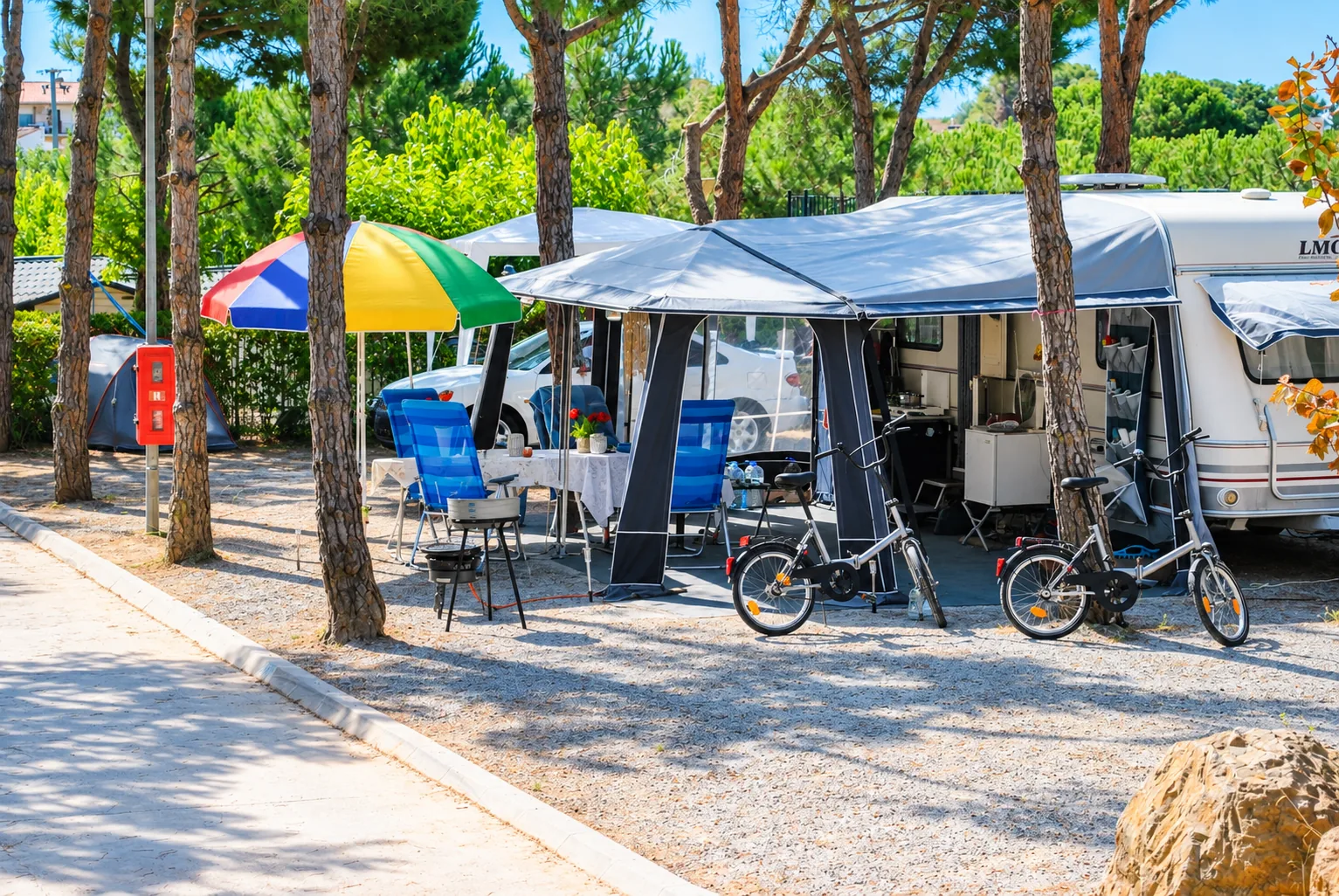
If you want to wind out the awning, eat outside and plug into the mains, you have two options: a motorhome aire or a campsite. Aires usually have water and a waste disposal point, some have electricity as well, and each one sets its own rules. On a campsite, the pitch is yours for your whole stay: you can put up your awning and get out the table and bikes, and you have showers, a laundry room and, in our case, pools.
| What you can do | On the street | Motorhome aire | Camping King's |
|---|---|---|---|
| Sleep inside | Yes, if properly parked | Yes | Yes |
| Awning, table and chairs out | No | Depends on the aire | Yes, on your pitch |
| Electricity | No | At some | Yes, 6 A included |
| Showers, toilets and laundry | No | At some | Yes |
| Pool and supermarket | No | Not usually | Yes |
A motorhome campsite on the Costa Brava: the pitch at Camping King's
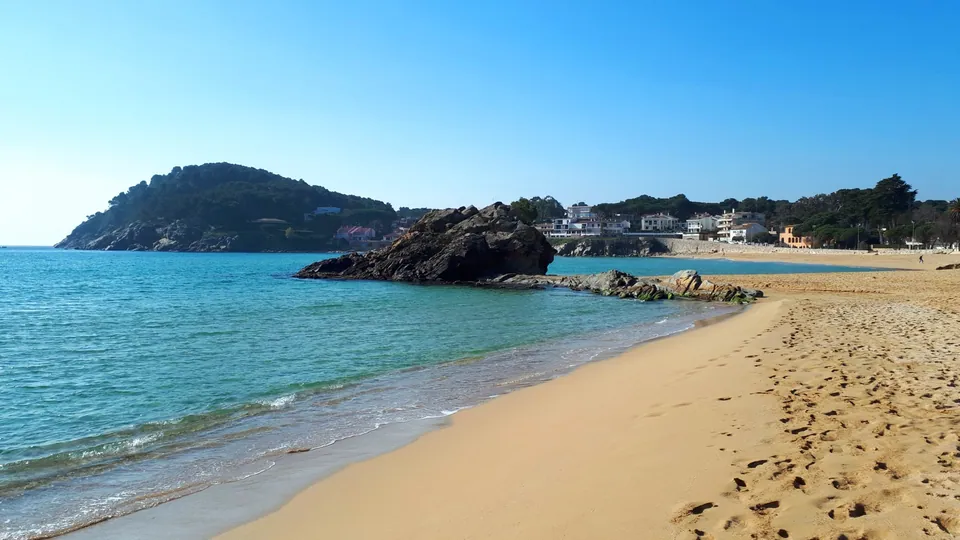
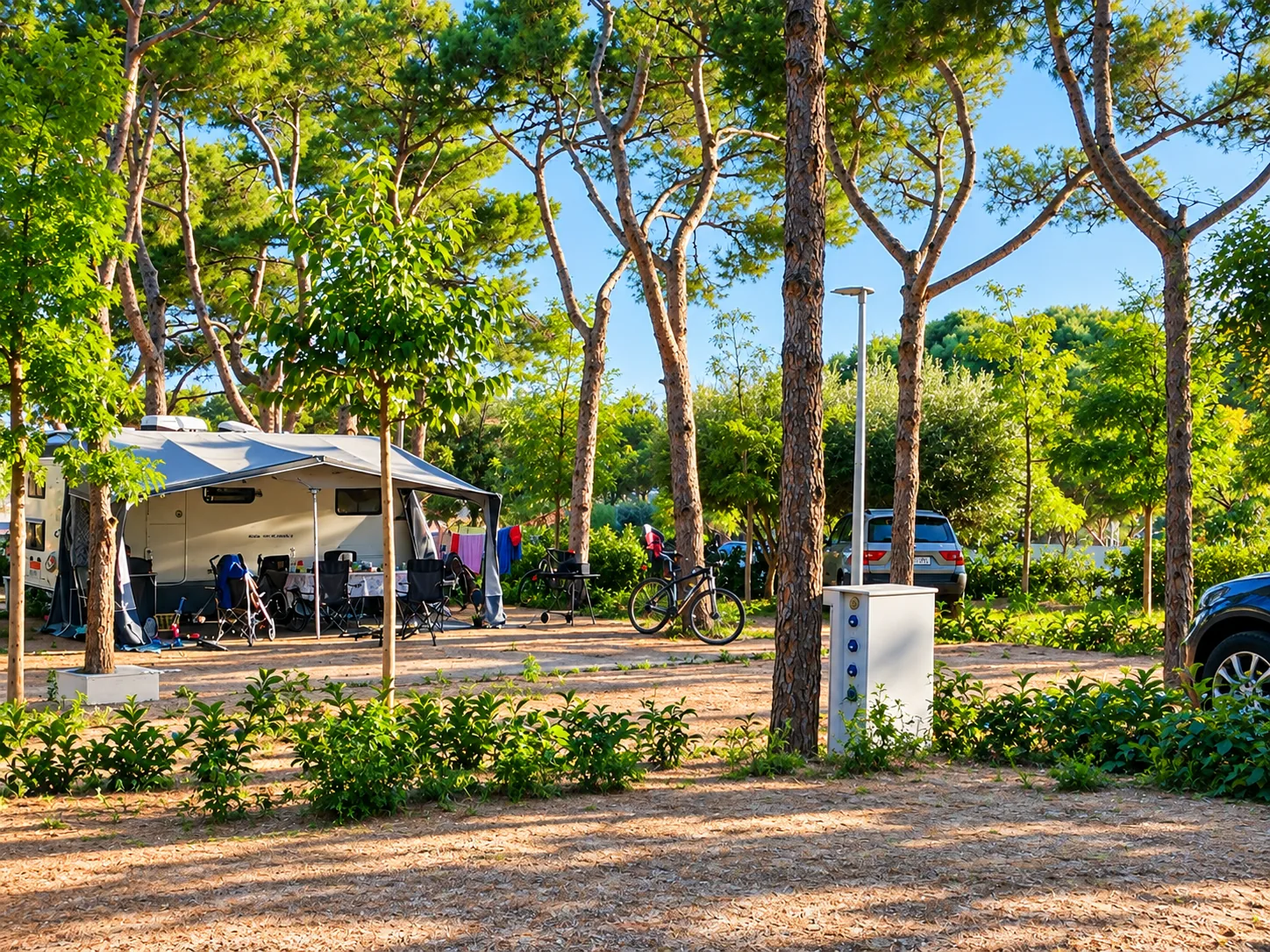
Camping King's is in La Fosca, 200 metres from the beach and 2 km from the centre of Palamós. The pitches are spread over several camping areas, bordered by trees and mostly shaded. On a motorhome campsite, that counts for a lot: in the height of summer, you can feel the difference inside the vehicle.
The motorhome pitch includes:
- A 6 A electricity hook-up, included in the price.
- Room for one motorhome and up to 6 people from the same family, including children and babies.
- Up to two small or medium-sized dogs (25 kg maximum), with their vaccination record and insurance.
- Use of the campsite’s pools and toilet and shower blocks.
When you book, you can say which area you’d prefer. It’s taken into account subject to availability, but a specific pitch can’t be guaranteed, and neither can shade. You can move onto the pitch from 13:00, and you need to leave it before 12:00 on your day of departure.
Tip: if you go off touring for a couple of days and leave your caravan or tent set up on the pitch, you’re still charged the full pitch price, including two people. Bear that in mind when you plan longer trips.
What if you’re coming with a caravan or a campervan?
The conditions are the same. Caravans have their own pitch, and if you’re travelling in a campervan, there’s a campervan pitch with the same electricity and shade. On caravan and campervan pitches you can add a 10 A hook-up or Wi-Fi, and hire a fridge if you book it in advance.
Campsite facilities for motorhome travellers
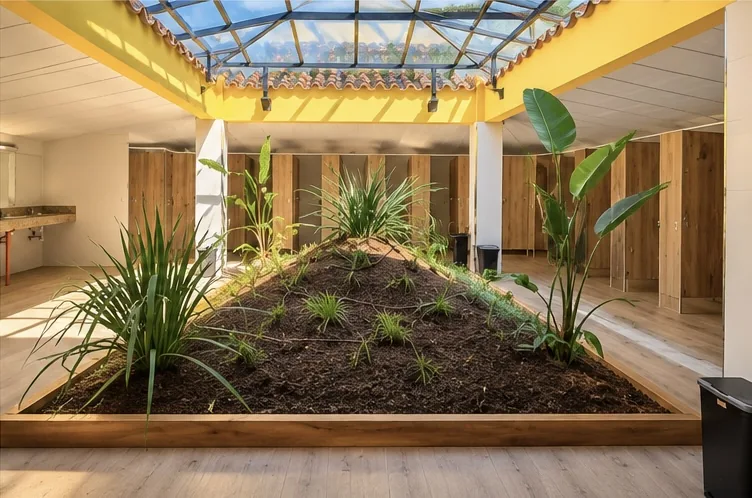
After a few days on the road, what you’ll appreciate most is a shower you don’t have to rush and the chance to put a wash on. There are several toilet blocks around the campsite, with showers, toilets, washbasins and an accessible bathroom for people with reduced mobility. If you’d like a bathroom all to yourselves, you can hire a private one: ask at reception.
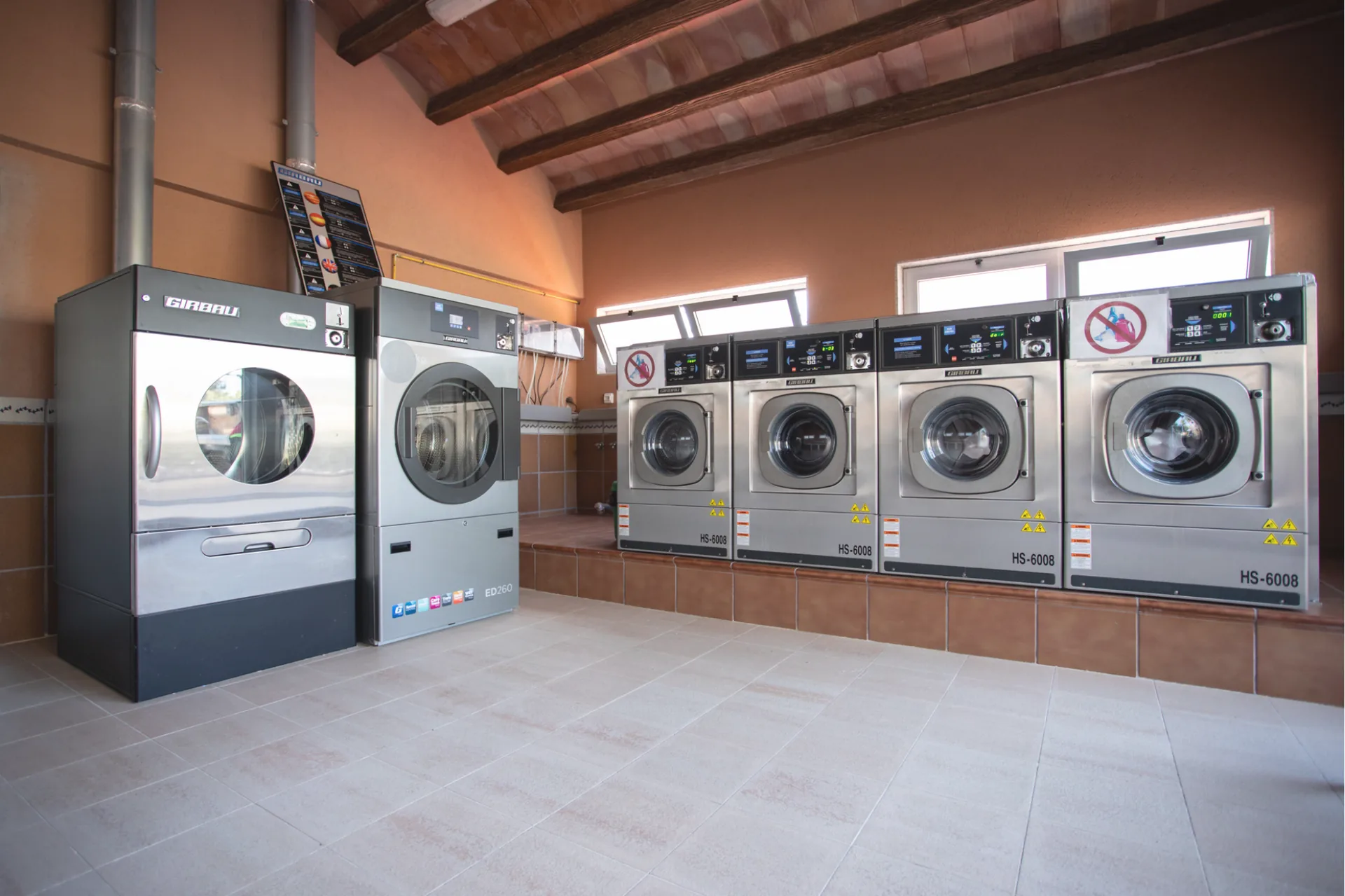
The laundry room has professional washing machines and tumble dryers, with instructions in several languages. The supermarket sells fruit, drinks, cleaning products and bread baked in the campsite’s own oven. And if you don’t feel like cooking one day, you can order dishes to take back to your pitch or go to the Sidralet restaurant, which is also open to the public.
There’s paid Wi-Fi throughout the campsite and a charging service for electric cars. To cool off, there are the pools: a large one almost 30 metres long, two children’s pools and a hydromassage area.
Need to empty your grey water or your chemical toilet cassette? Ask at reception when you arrive. It’s open from 8:15 to 21:30, and at night the security service welcomes anyone arriving with a booking.
A Costa Brava motorhome route from Palamós
The Costa Brava runs from Blanes to Portbou, on the French border, and Palamós is in the Baix Empordà, the county in the middle. That’s why it works well as a base: you settle in on your pitch and turn your Costa Brava motorhome route into a series of day trips, heading north or south, without moving on every night.
| Destination | Distance | What to see |
|---|---|---|
| Cap Roig Botanical Garden | 13.4 km | Nearly 1,000 plant species |
| Pals | 15 km | Medieval old town |
| Peratallada | 21 km | Medieval village |
| Ullastret | 22 km | Iberian settlement |
| Medes Islands (from L'Estartit) | 31 km | Marine reserve |
| Empúries | 35 km | Greek and Roman ruins |
| Girona | 47 km | Cathedral and Jewish quarter |
| Figueres | 61 km | Dalí Theatre-Museum |
| Sant Pere de Rodes | 81 km | Monastery overlooking Cap de Creus |
Heading north: Pals, Peratallada and the Medes Islands
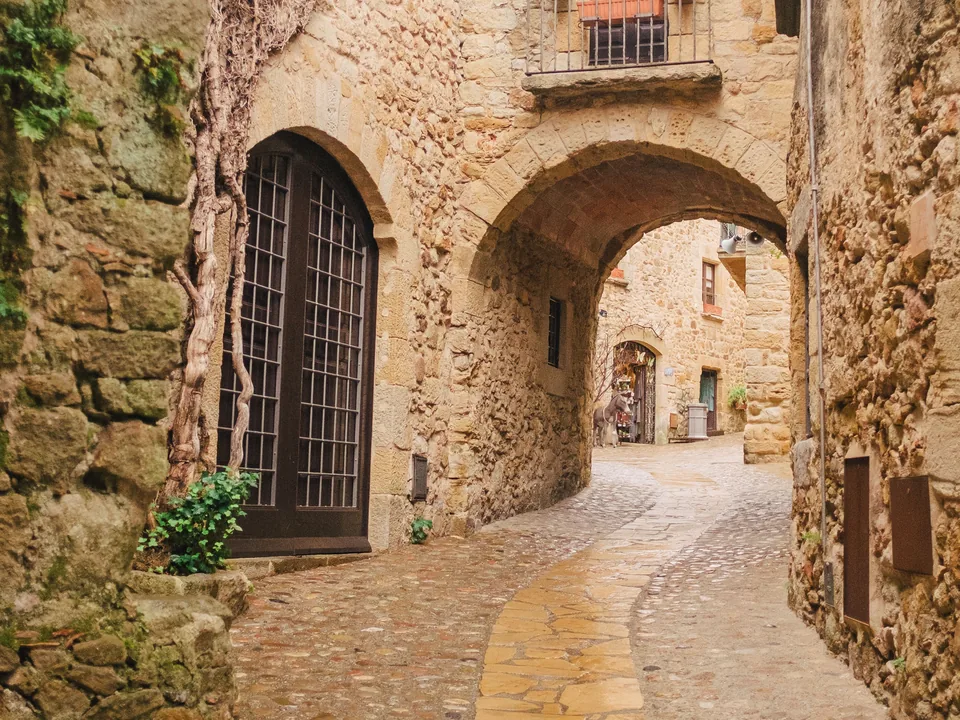
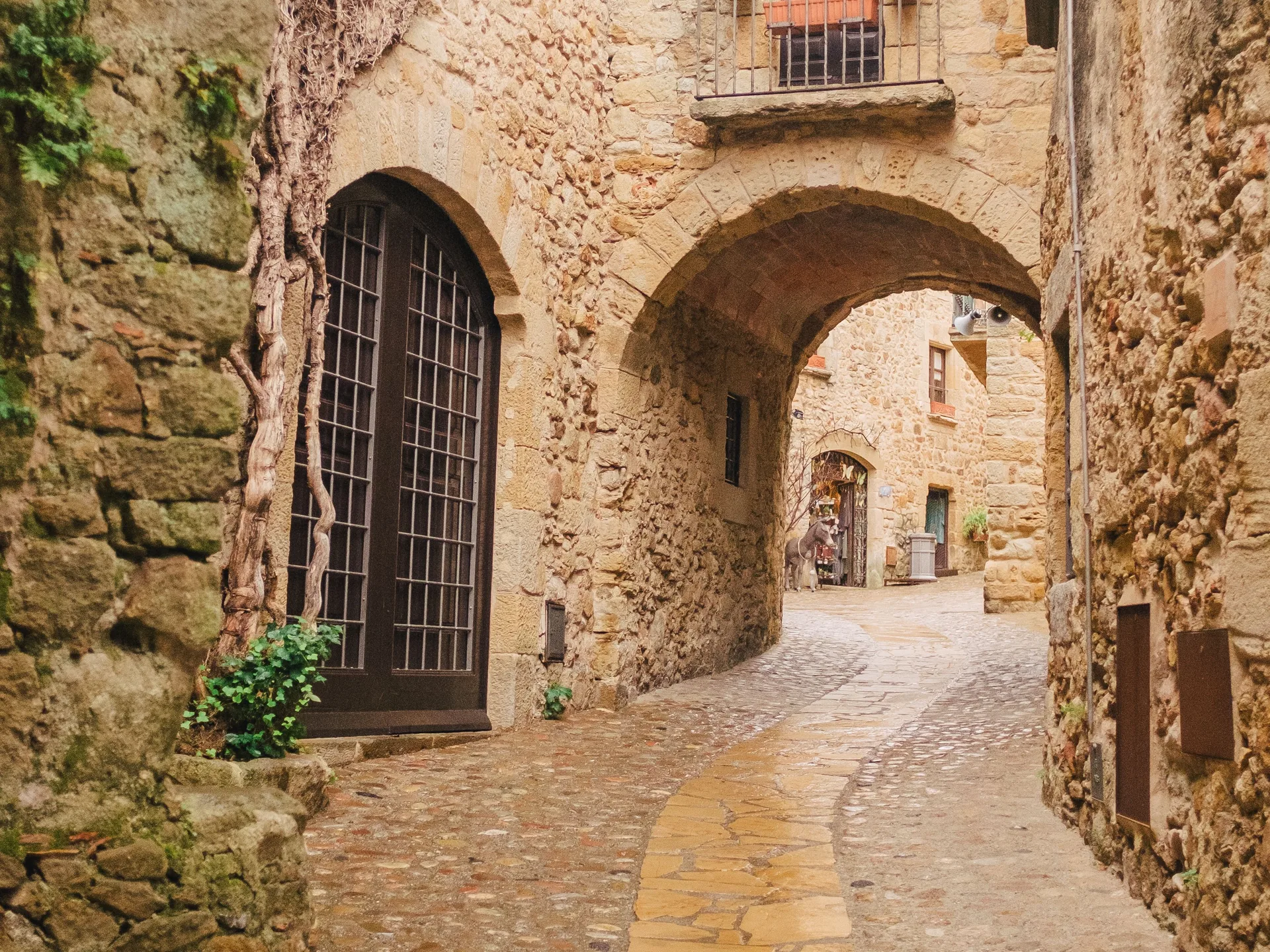
Pals, 15 km away, still has its medieval quarter, and Peratallada, 21 km away, is one of the most important medieval villages in Catalonia. Close by, 22 km from the campsite, is the Ullastret Iberian Settlement, the largest Iberian site discovered in Catalonia. In these villages, park the motorhome outside the old town and walk in: the streets are narrow and stone-paved.
A little further north, boats leave L'Estartit for the Medes Islands (31 km), seven islets that make up one of the most important marine reserves on the Costa Brava. At Empúries (35 km), right by the sea, you can walk around the ruins of a Greek city and a Roman one.
Further north: Figueres, Cadaqués and Cap de Creus
The Dalí Theatre-Museum in Figueres is 61 km away, and the Monastery of Sant Pere de Rodes, with views over Cap de Creus, is 81 km. This is the land of the tramontane, a north wind that can blow very hard in the Empordà, and in a high-sided vehicle you feel it at the wheel. Before you go, check the AEMET weather warnings.
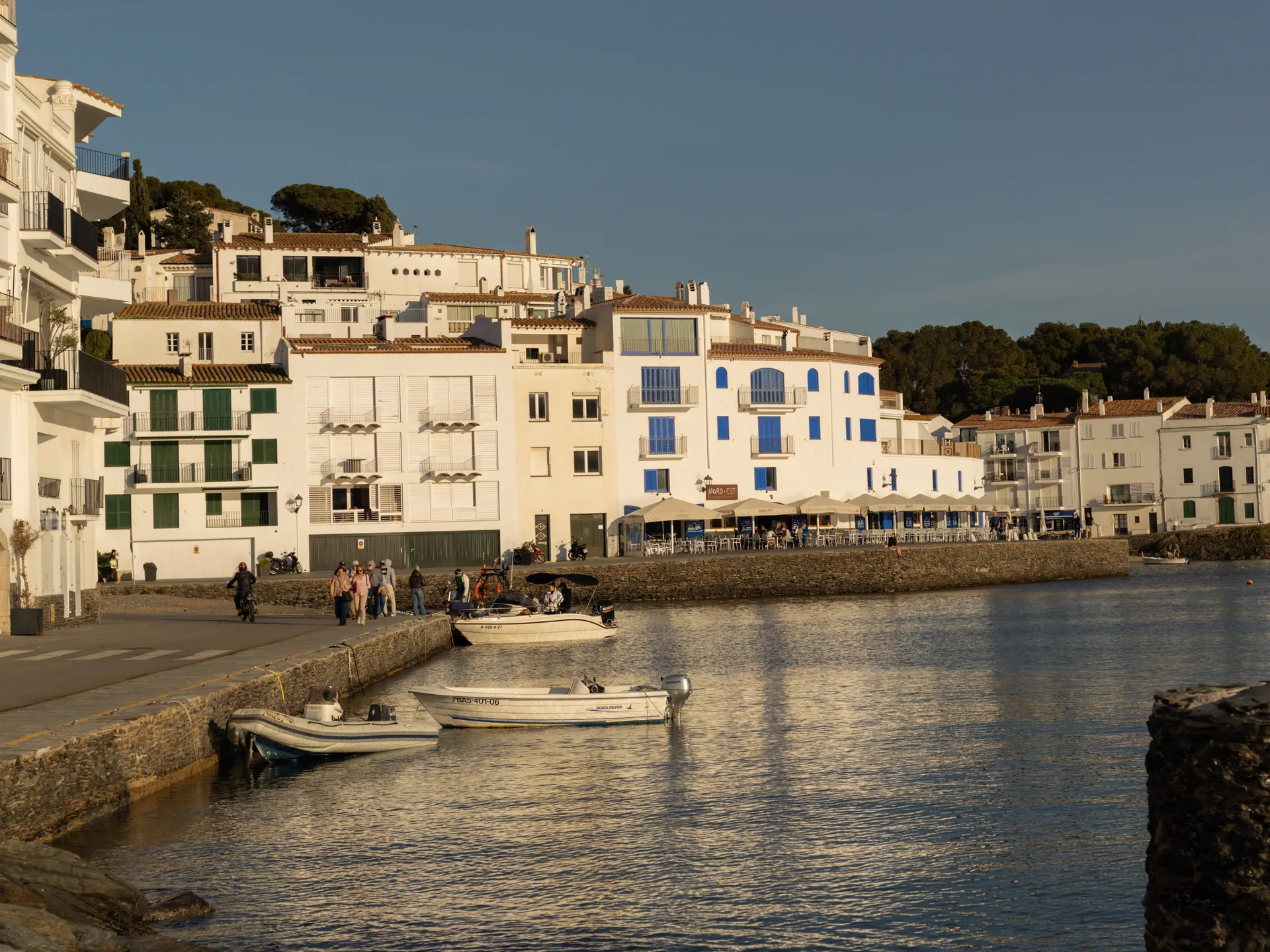
To reach Cadaqués, on the same cape, you take a twisting mountain road, and in summer parking in the village is tricky. With a large motorhome, go early or save it for spring or September.
Heading south: Sant Feliu de Guíxols and Tossa de Mar
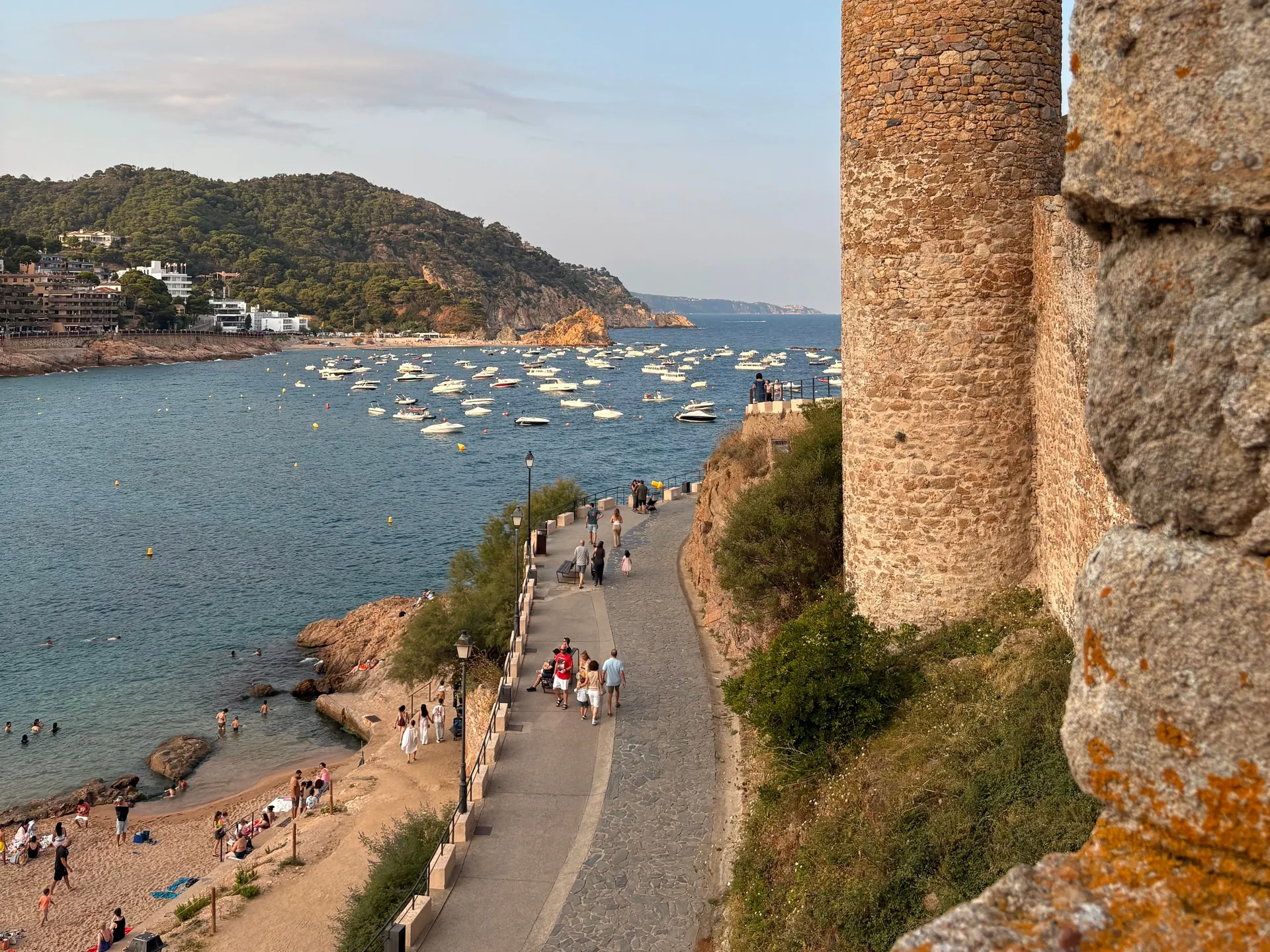
South of Platja d'Aro (13 km), the GI-682 road runs above the sea from Sant Feliu de Guíxols to Tossa de Mar. It’s about 20 km of bends and views: a lovely drive, but slow going in a large vehicle. In Tossa, you explore the Vila Vella, the walled old town above the beach, on foot.
Getting around without the motorhome: on foot, by bike or by bus
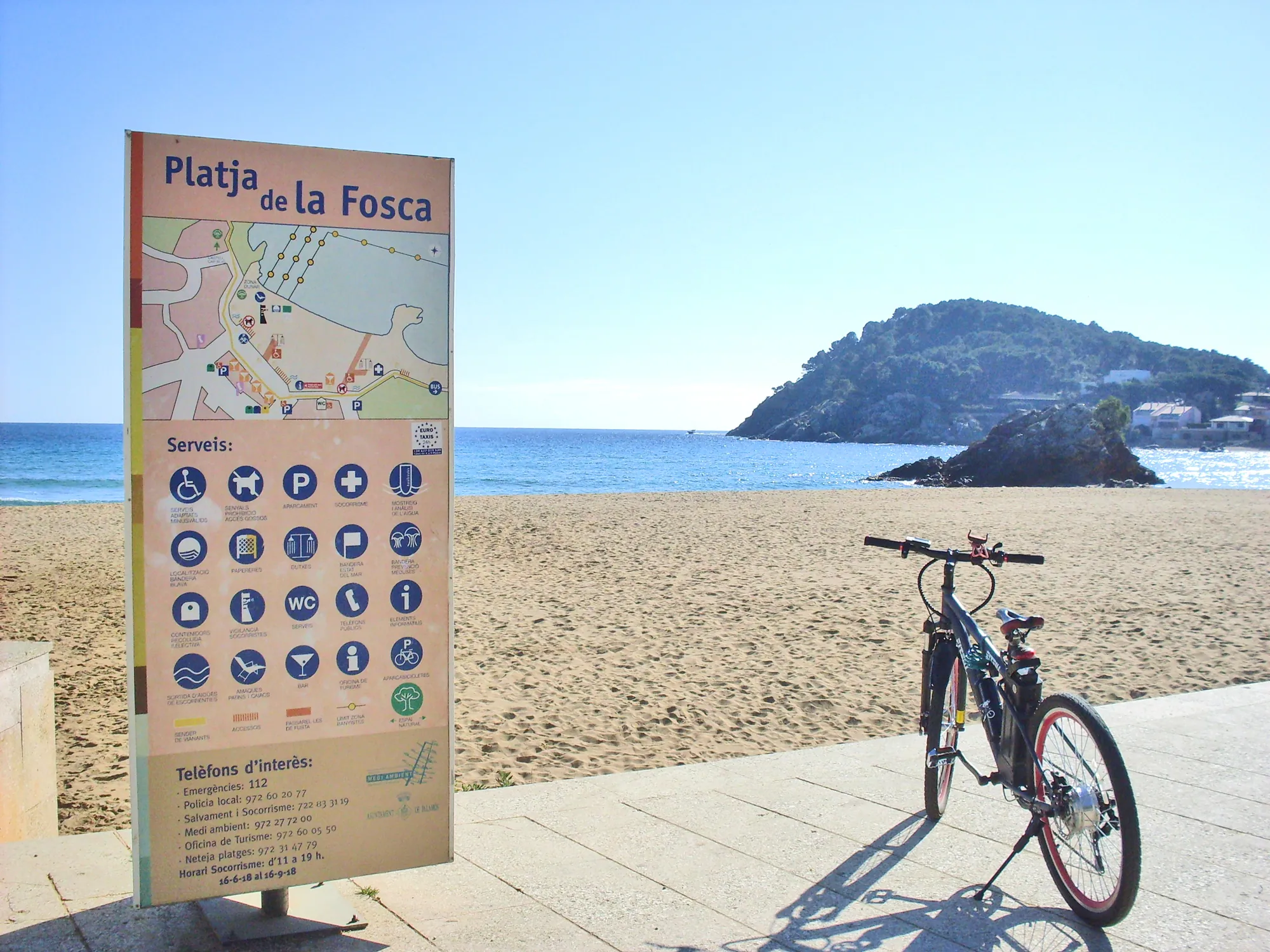
On many days you won’t need to touch the steering wheel. La Fosca beach is 200 metres away, and you can walk to Cala S'Alguer (850 m), with its fishermen’s huts, and Castell beach (1.1 km), surrounded by pine woods with not a building in sight.
For cycling, the campsite is linked to the Costa Brava cycle path: the Tren Petit greenway takes you to Palafrugell with hardly a hill on the way. At reception you can hire bikes in various sizes, child seats and helmets.
To get into the centre of Palamós, 2 km away, there’s the Sarbus bus, which stops next to the campsite entrance. That way you don’t have to find a parking space, and at the port you can watch the fishing boats return in mid-afternoon.
Tips for driving a motorhome along the coast
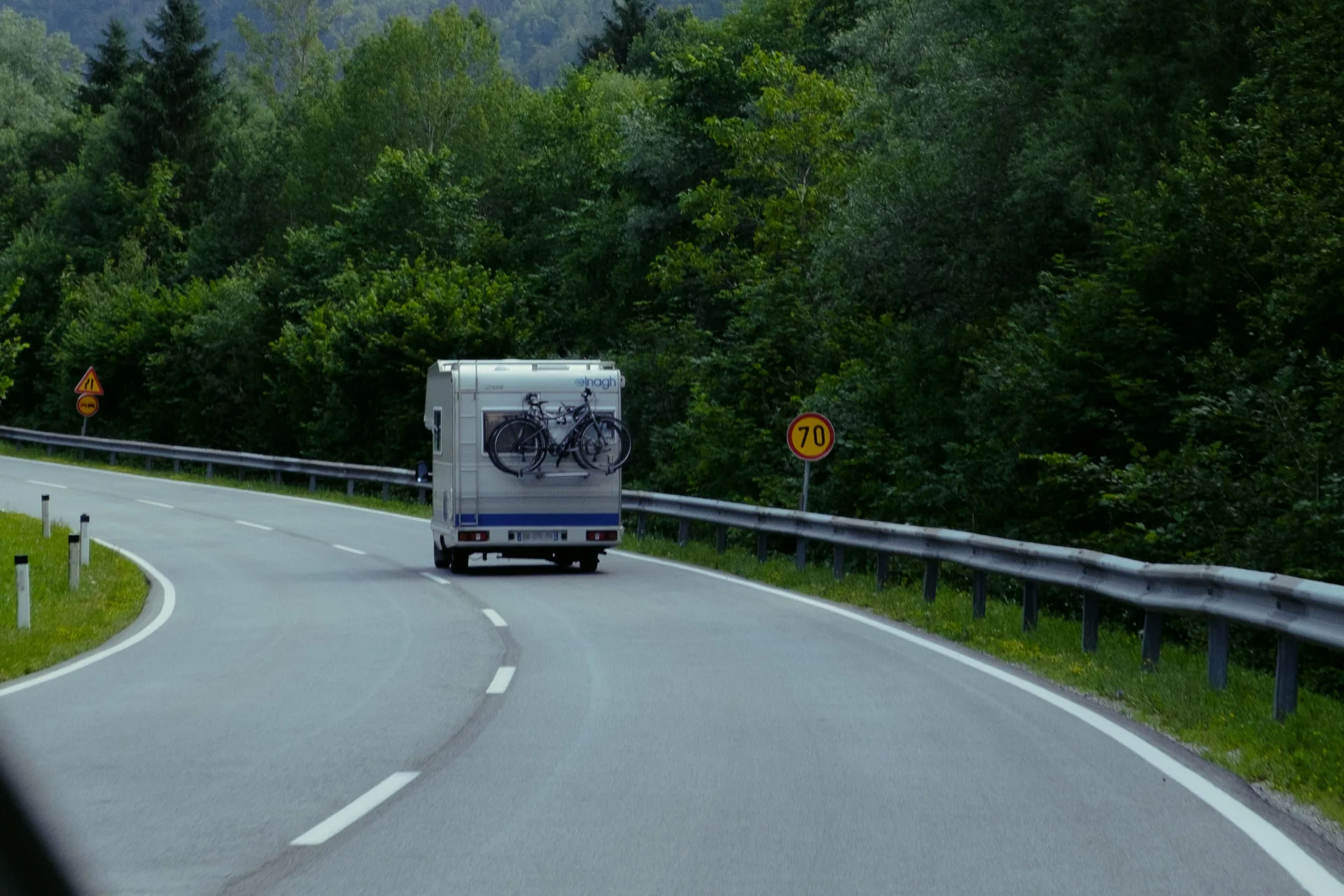
The main roads are good, but on the coast there are winding stretches and towns with narrow streets. These tips will save you the odd hairy moment:
- Speed: motorhomes up to 3,500 kg can do 120 km/h on motorways and dual carriageways and 90 km/h on other roads. Over 3,500 kg, the limits are 90 and 80 km/h.
- Tolls: since September 2021, the AP-7 has been toll-free between La Jonquera, on the French border, and Tarragona.
- Parking: in towns, look for a space before you reach the centre, and watch out for the height barriers at the entrance to some car parks.
- Timing: in July and August, set off early. First thing in the morning there’s less traffic on the coast and more room to park.
- On the campsite: you’ll be driving slowly, between trees. When pulling onto your pitch, it’s best to have someone outside guiding you.
When to go and how to book your motorhome pitch
In 2027, Camping King's is open from 25 March to 12 September. July and August are when the entertainment programme runs, with activities for children and music in the evenings. In spring and September there’s less traffic on the coast and it’s easier to park in the towns, and in a motorhome you really notice that.
If you’re both over 60, have a look at the Senior Experience pitch offer: €26 a night for two people, with electricity, from 2 April to 17 June and from 25 August to 12 September 2027, except public holidays and long weekends. It’s valid for a tent, caravan or motorhome, includes one pet, and the tourist tax is paid separately.
For everyone else, early booking gets you an automatic 5 to 10% discount if you book a stay of at least 6 or 7 nights before 28 February, for dates up to 17 July. It comes off the price of the pitch, not off additional people or extras, and can’t be combined with other offers.
Bookings for 2027 open on 2 November 2026. Your booking is confirmed with a 30% deposit, and a week before you arrive you’ll receive an email with the link to do the online check-in and pay the balance.
Frequently asked questions about touring the Costa Brava by motorhome
Can you sleep in a motorhome parked on the street on the Costa Brava?
Yes, as long as it’s properly parked. According to the DGT, Spain’s traffic authority, a motorhome that only touches the ground with its wheels, has no awning, table or chairs out and doesn’t release any liquid is just another parked vehicle, even if there are people sleeping inside. But each town council can limit how long you can park and ban camping outside authorised areas, so check the signs in each town.
What’s the difference between parking and camping in a motorhome?
Parking means leaving the vehicle stationary without it taking up more space than when it’s closed up. As soon as you lower the stabiliser legs, wind out the awning, put chairs out or empty out any liquid, it counts as camping, and camping is governed by tourism regulations, not traffic rules. In Catalonia, using levelling ramps also makes it camping. If you want to camp, the safe option is a campsite or an aire that allows it.
Are there motorhome campsites near Palamós?
Yes. Camping King's is in La Fosca, 2 km from the centre of Palamós and 200 metres from the beach. It has motorhome pitches with a 6 A electricity hook-up included, most of them shaded by trees, for up to 6 people, and dogs up to 25 kg are allowed.
How much does a motorhome pitch cost on the Costa Brava?
It depends on the dates and how many of you there are. At Camping King's, there’s the Senior Experience offer for over-60s: €26 a night for two people, with electricity, from 2 April to 17 June and from 25 August to 12 September 2027 (except public holidays and long weekends). For other dates, the price is shown in the availability search, and if you book a stay of 6 or 7 nights or more before 28 February, you get a 5 to 10% discount.
Are dogs allowed on the motorhome pitches?
Yes, up to two small or medium-sized dogs per pitch, 25 kg maximum. At reception you need to show an up-to-date vaccination record and the dog’s insurance. Dogs of breeds considered dangerous, and their crosses, aren’t allowed.
When is Camping King's open in 2027?
From 25 March to 12 September 2027. Bookings for that season open on 2 November 2026.
What time can you arrive at the campsite in a motorhome?
You can move onto your pitch from 13:00, and you need to leave it before 12:00 on your day of departure. Reception is open from 8:15 to 21:30. If you arrive later and have a booking, the night security service will welcome you.
What route can you take around the Costa Brava by motorhome?
From Palamós, in the Baix Empordà, you can head north to Pals (15 km), Peratallada (21 km), the Medes Islands from L'Estartit (31 km), Empúries (35 km), Figueres (61 km) and Cap de Creus. Heading south, you can go to Platja d'Aro, Sant Feliu de Guíxols and Tossa de Mar, along the winding GI-682 road.